

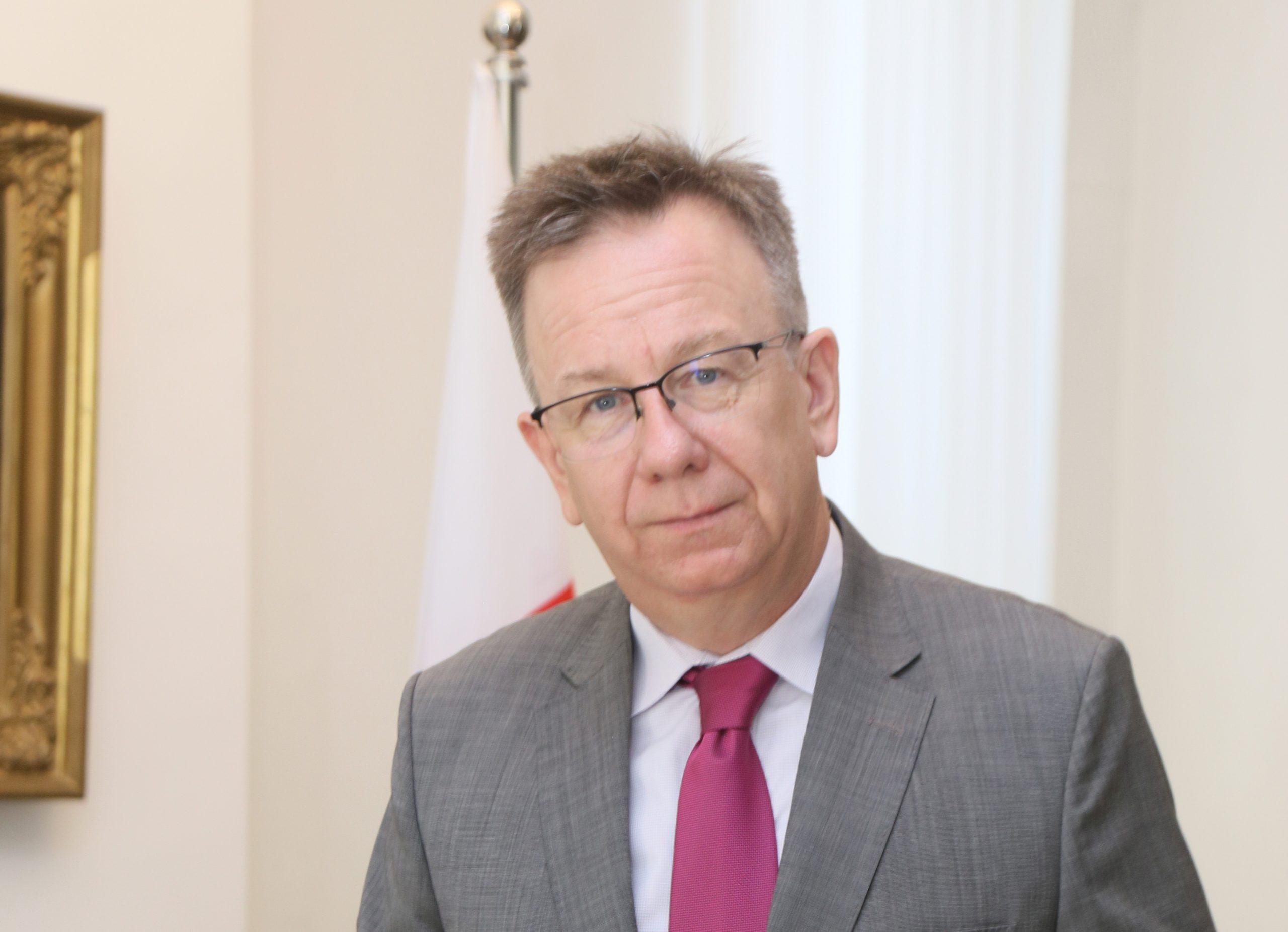
H.E. Mr. Maciej Pisarski (Ambassador of Poland to the Islamic Republic of Pakistan)
H.E. Mr. Maciej Pisarski who has been serving as the Ambassador of Poland to the Islamic Republic of Pakistan since October 14, 2021. Ambassador Pisarski brings a wealth of diplomatic experience and strategic acumen to his current role, reflecting a distinguished career dedicated to fostering international relations and advancing global cooperation.
Prior to his appointment as Ambassador to Pakistan, Mr. Pisarski held the esteemed position of Director of the Department of Foreign Policy Strategy at the Polish Ministry of Foreign Affairs. During this tenure, he played a pivotal role in shaping Poland’s foreign policy agenda, focusing on strategic initiatives and diplomatic outreach.
Ambassador Pisarski is graduated from the Department of History at Warsaw University. He furthered his academic pursuits at the National School of Public Administration, where he honed his skills in public policy and administration.
With his extensive background in diplomacy, strategic planning, and international affairs, Ambassador Maciej Pisarski continues to play a pivotal role in strengthening Poland’s diplomatic presence and foster ing meaningful partnerships with Pakistan and beyond.
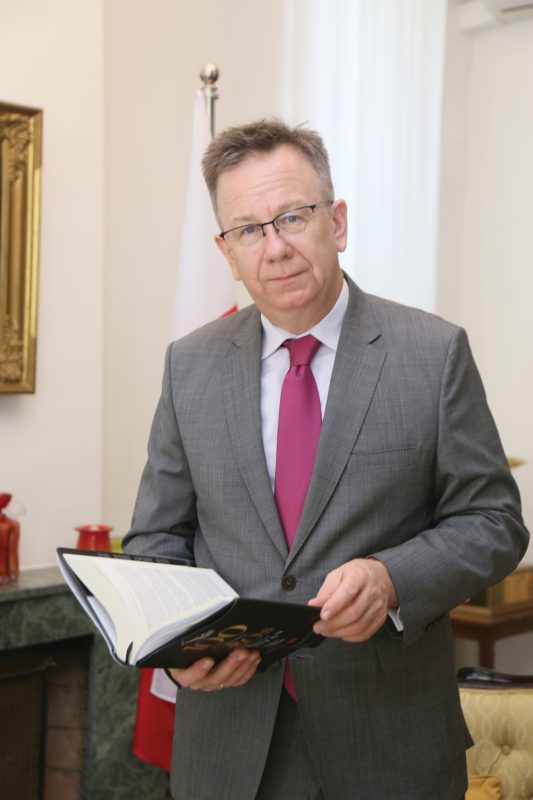
Can you share insights on the current state of trade relations between Poland and Pakistan?
Developing economic ties between Poland and Pakistan has been a priority during my tenure as Ambassador. Pakistan presents itself as a vast and dynamic market, albeit with its unique challenges. Our trade relationship, though progressing, currently sees a trade volume nearing one billion dollars, with Pakistani exports to Poland accounting for $800 million and Polish exports to Pakistan at $128 million.
How do you envision achieving a more balanced trade relationship between Poland and Pakistan, given the current export-import disparity?
Balancing our trade ties is indeed crucial. The existing imbalance can be partly attributed to Pakistan’s preferential access to the European market through the GSP+ scheme, which enhances Pakistani exports to Europe. To address this, we need to explore avenues for greater Polish business involvement in Pakistan, diversifying our exports in sectors like construction, cosmetics or agriculture, where Poland excels as a major food producer and has expertise in agricultural technologies and machinery.
Considering the role of small and medium-sized businesses, what specific opportunities do you see for them in Pakistan?
Small and medium-sized enterprises form the backbone of any economy, and in Pakistan, sectors like construction materials and agricultural technologies offer significant potential. Poland’s expertise in agricultural machinery and food processing, including our prowess in apple production and storage technologies, presents substantial opportunities. Additionally, there’s growing demand in Pakistan for Polish cosmetics and beauty products, as evidenced by brands like Eveline and Inglot establishing a presence in major cities. These sectors not only highlight the potential for bilateral growth but also underscore the need to expand and deepen our economic cooperation beyond current achievements.
What were the outcomes and achievements of the recent delegation from Poland focusing on innovative solutions?
That delegation, organized under the Green Evo program sponsored by Poland’s Ministry of Climate and Environmental Protection, aimed to introduce Polish technological solutions to combat climate change in Pakistan. We were pleased with the interactions and discussions that took place. Even after the delegation departed, ongoing conversations suggest promising prospects for concrete projects. The main success was rekindling interest among Polish businesses in Pakistan, aiming to revive a relationship that saw significant engagement in the past but waned due to geopolitical shifts.
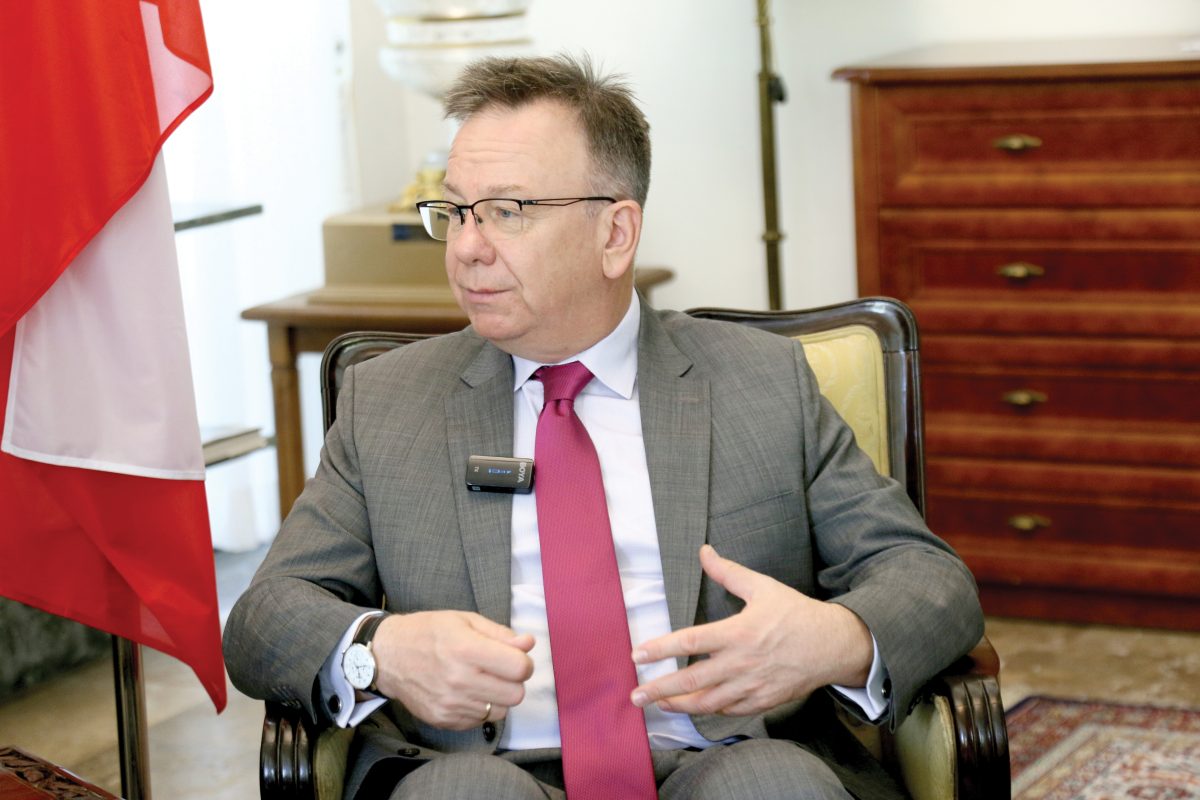
Can you elaborate on the educational opportunities available for Pakistani students in Poland?
Polish universities have adapted to demographic changes by offering an increasing number of courses in English, making higher education accessible to international students including Pakistanis. Medical education for instance, is highly regarded in Poland. This competitive advantage has at tracted students from diverse backgrounds, although ensuring the preparedness and determination of Pakistani students remains a priority to maximize the benefits of these educational opportunities.
What is the impact of the Ukrainian war economically and socially and where do you see the trajectory of this conflict heading towards resolution?
The impact of the Ukrainian war has been profound across various dimensions, and its effects cannot be overstated. Economically, Ukraine has borne the brunt with over $150 billion in damages to civilian infrastructure by the end of 2023, along with significant civilian casualties exceeding 30,000, including 10,000 fatalities. Poland, while not directly experiencing infrastructure damage, has faced economic disruptions, particularly losing East European markets critical for agriculture, machinery, and home appliances. This has led to inflationary pressures and increased costs of doing business. Moreover, the conflict has fundamentally reshaped security perceptions across Europe, highlighting the fragility of peace and security in the region.
“ Diplomacy, as you rightly noted, is not just a profession but a craft learned through practical experience and mentorship, and I’ve been privileged to learn from some of the best in the field.”
What is the role of history and biology in shaping human beings, especially in predicting the future?
History and biology play pivotal roles in shaping human behavior and societal developments. History serves as a crucial lens through which we can understand the present by unraveling its underlying causes and processes. It provides insights into why things are the way they are and how we arrived at this juncture. However, predicting the future solely through historical insights is challenging, as history often repeats itself despite our efforts to learn from it. On the other hand, biology underscores that human beings are inherently driven by biological imperatives, including adaptive behaviors like aggression, etc. which have evolved over millennia. While history and biology offer valuable frame works for understanding human nature and societal dynamics, the complexities of prediction require an interdisciplinary approach that considers both historical contexts and biological influences.
What is leadership to you?
Leadership to me, revolves around achieving collective goals through teamwork and collaboration. It’s about harnessing the diverse talents and capacities within a team to deliver excellence in our endeavors. While charismatic leadership can be effective, particularly in driving visionary initiatives, sustainable leadership in diplomacy entails fostering a shared commitment to common objectives among team members. It’s not solely about individual charisma but rather about mobilizing collective efforts towards shared aspirations and ensuring that every team member contributes to achieving our diplomatic goals effectively and collaboratively.
How do you cope with stress?
Coping with stress is indeed crucial, especially in diplomatic engagements where the stakes can be high. I believe in maintaining a balance between work and personal life. Physical activities play a vital role for me; I’ve started going to the gym regularly, which helps me both physically and mentally. I’ve also taken up golf here in Pakistan, which allows me to unwind amidst the stunning landscapes.
Can you recommend a book that has left a lasting impression on you?
One that stands out is “Peace to End All Peace” by David Fromkin, which delves into the history of the Middle East during and after World War I. It’s a comprehensive exploration of a crucial period in global history. Currently, I’m also engrossed in “Modern South Asia” by Ayesha Jalal, which provides a deep dive into the region’s modern history — a fascinating read by a distinguished Pakistani author. Another recent read that intrigued me was “The Dopamine Nation” by Anna Lembke.
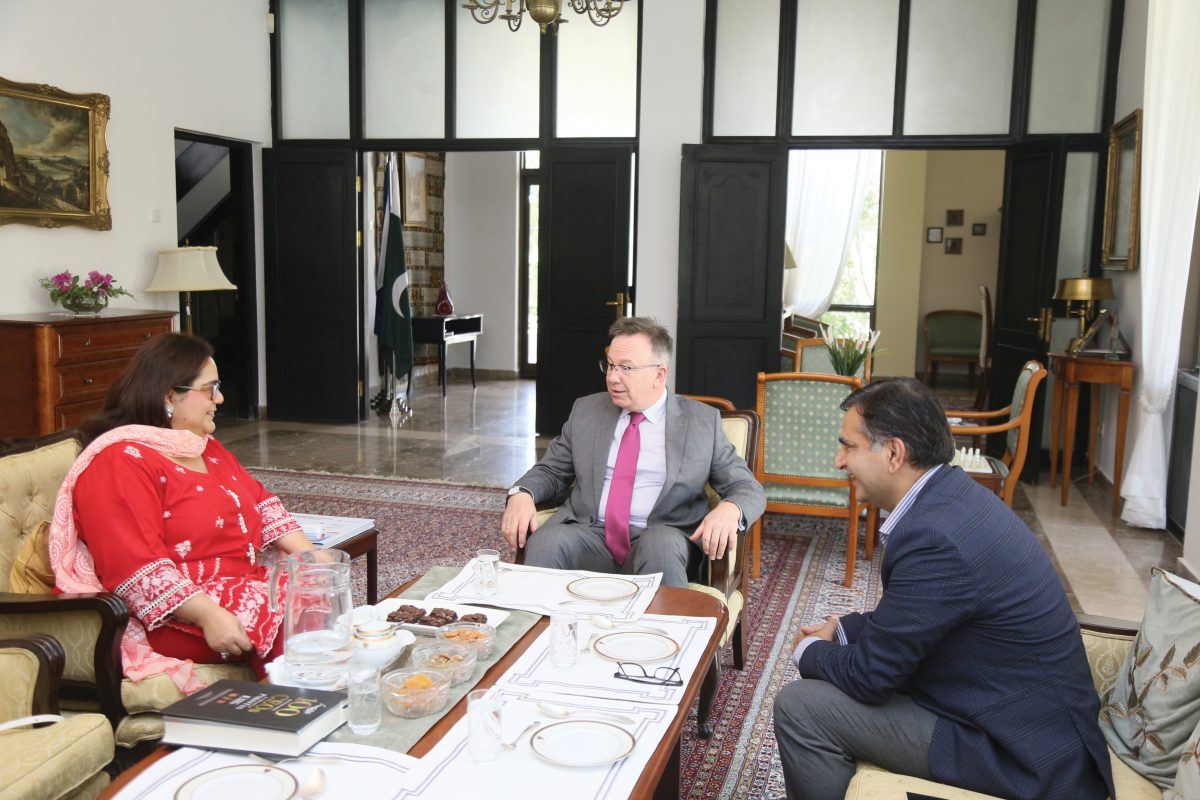
What is the best destination till now, that stands out to you the most?
Every country has its own unique charm. Personally, I have a deep love for my homeland, Poland. It’s where I feel most connected through its rich culture, language, history, literature, and arts. However, in terms of my international travels, I must say the United States holds a special place in my heart due to my time there. The diversity of landscapes and cultures across Europe also fascinates me; there’s always something new to discover and, then of course Pakistan. The natural beauty here is unparalleled—the mountains in places like Gilgit, Skardu, and Hunza are simply breathtaking and then beauty of cities like Lahore holds its own charm. Beyond the landscapes, the hospitality of the Pakistani people leaves a lasting impression.
What is your message of hope and optimism for the Pakistani people?
Happiness and success to me, are intertwined with peace of mind and a sense of fulfillment in life. It’s about finding joy in what you do and finding contentment in the journey itself.
What is happiness and success?
My message to the Pakistani people is that in the face of difficulties, it’s important to remember that every day presents new opportunities. Despite the challenges, you can always start afresh. Look forward with optimism, knowing that setbacks are temporary and that with determination and per severance, brighter days lie ahead. Embrace your strengths and continue to strive for a better future


